
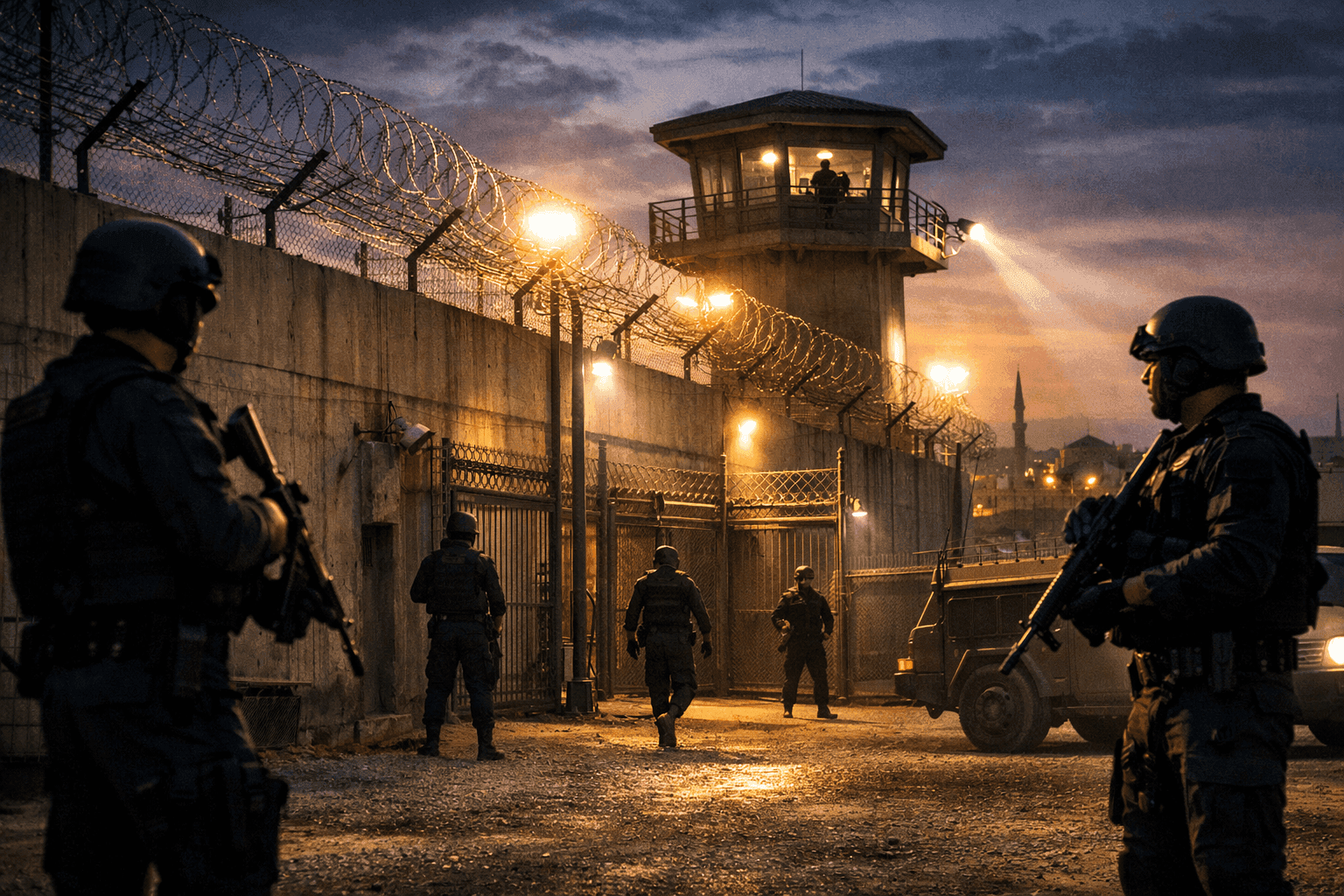
More than five thousand ISIS fighters have been transferred from collapsing Syrian Kurdish custody to Iraqi detention facilities in an unprecedented emergency operation coordinated by the United States, Iraq, and Turkey to prevent catastrophic prison breaks.
The massive cross-border transfer became necessary as Syrian government forces advanced into territory where Kurdish militias detained thousands of jihadists captured during the campaign to destroy the ISIS caliphate. Without immediate action, these facilities faced imminent overrun that would have unleashed battle-hardened terrorists across the region and potentially into Europe.
Iraq now shoulders two point one million dollars in monthly detention costs with minimal international support, despite the global nature of the ISIS threat and the international composition of detained fighters. Conservative security analysts note this pattern repeats throughout Middle Eastern conflicts where American allies bear disproportionate burdens for problems that threaten Western nations as directly as regional partners.
"Emergency transfer launched after Syrian government advances threatened mass prison breaks that could unleash thousands of jihadists across the region and potentially back to their home countries."
Iraqi courts have begun prosecuting high-value targets including masterminds behind the Yazidi genocide and chemical weapons attacks against civilian populations. These trials represent critical accountability for atrocities that shocked the world, yet proceed with limited international attention or support despite universal condemnation of ISIS brutality during its territorial control.
The detained ISIS fighters include foreign nationals from dozens of countries whose governments have largely refused repatriation despite obligations to prosecute their own citizens for terrorism. This abandonment forces regional partners to indefinitely detain dangerous individuals while bearing financial and security burdens that should be shared internationally.
The transfer operation demonstrates both the fragility of regional security arrangements and the consequences when Western nations withdraw attention from ongoing threats. ISIS may have lost its territorial caliphate, but thousands of committed fighters remain capable of reconstituting terrorist networks if given opportunity through prison breaks or inadequate detention. Iraq deserves substantial international financial support and intelligence cooperation for assuming responsibility that protects global security. The alternative—allowing these prisoners to escape—would recreate conditions that spawned ISIS's initial rise and required years of costly military operations to suppress.