
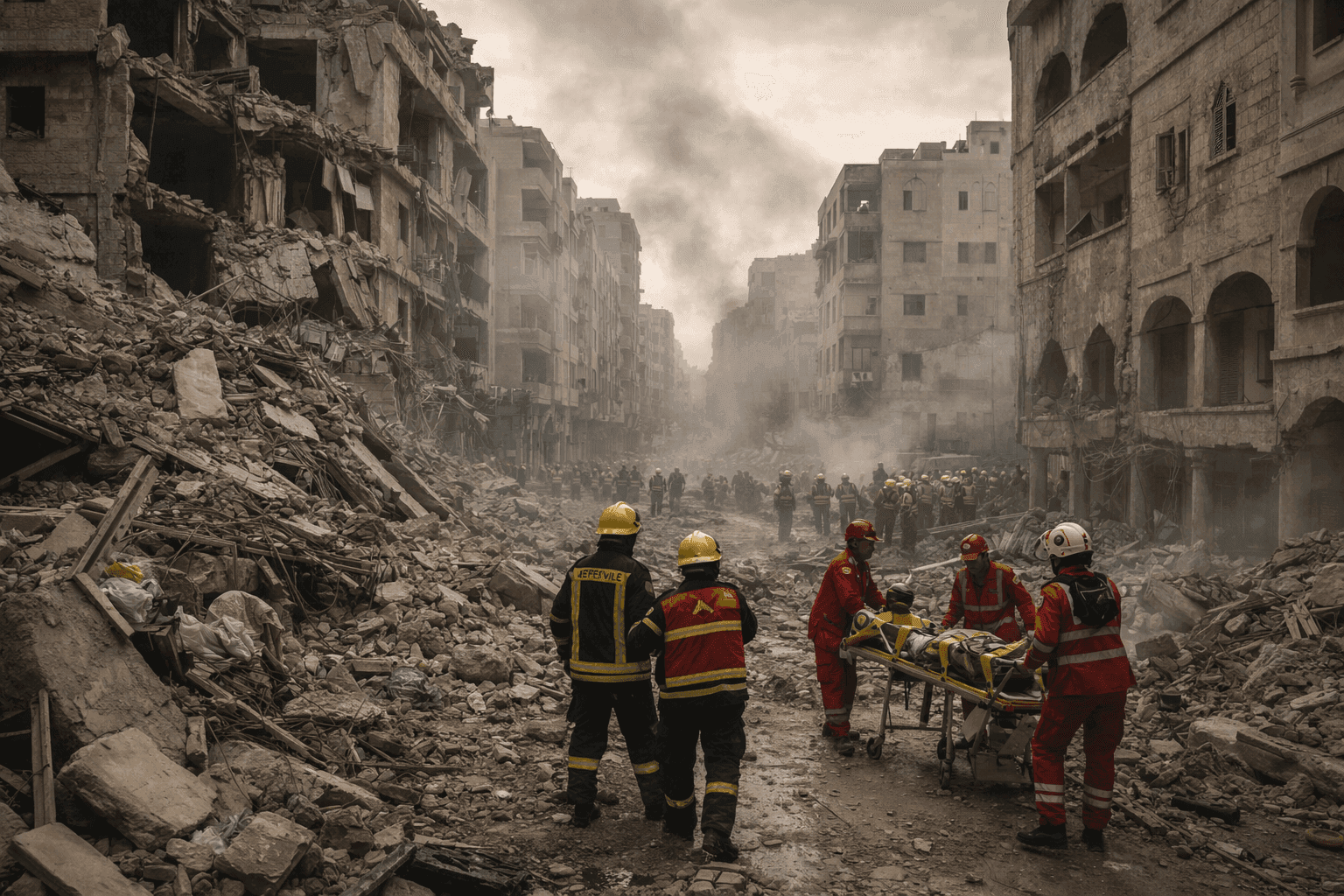
Separate explosions in Ahvaz and the strategic port city of Bandar Abbas have fueled widespread suspicion among Iranians accustomed to government deception, with authorities blaming one incident on gas leaks while offering no explanation for the other blast.
The regime's credibility deficit runs so deep that citizens reflexively question official narratives, particularly when explosions occur at strategically significant locations. Bandar Abbas serves as a critical naval facility and commercial port, making unexplained blasts there especially concerning given ongoing regional tensions and Iran's nuclear program activities.
Conservative Iran observers note that Tehran's habit of controlling information and lying to its own population creates an environment where legitimate accidents become indistinguishable from covert operations or regime coverups. Years of documented deception about everything from protest casualties to nuclear enrichment levels have destroyed whatever public trust might have existed between the theocratic government and Iranian citizens.
"The separate incidents highlight Iran's underlying issues from aging infrastructure to a government with a major credibility problem that makes citizens quick to question official narratives."
Iran's infrastructure has deteriorated significantly under decades of mismanagement, international sanctions, and corruption that diverts resources away from maintenance and safety improvements. Gas pipeline networks, electrical systems, and industrial facilities operate with minimal oversight, creating genuine explosion risks that complicate efforts to distinguish accidents from intentional attacks.
Previous mysterious explosions at Iranian military and nuclear facilities have sparked speculation about foreign sabotage operations targeting the regime's strategic capabilities. Israel has conducted covert operations against Iranian nuclear infrastructure, though such activities remain officially unacknowledged, creating an atmosphere where any significant explosion generates sabotage theories.
The regime's inability to provide credible explanations reflects broader governance failures that extend far beyond explosion investigations. A government that murders thousands of protesters, enriches nuclear material while claiming peaceful intentions, and systematically lies about economic conditions cannot expect citizens to accept official accounts of suspicious incidents. Iranian people deserve transparency about threats to their safety, whether those threats originate from crumbling infrastructure or hostile operations. Instead, they receive propaganda and silence from authorities who view public trust as irrelevant to maintaining power through force and intimidation.