
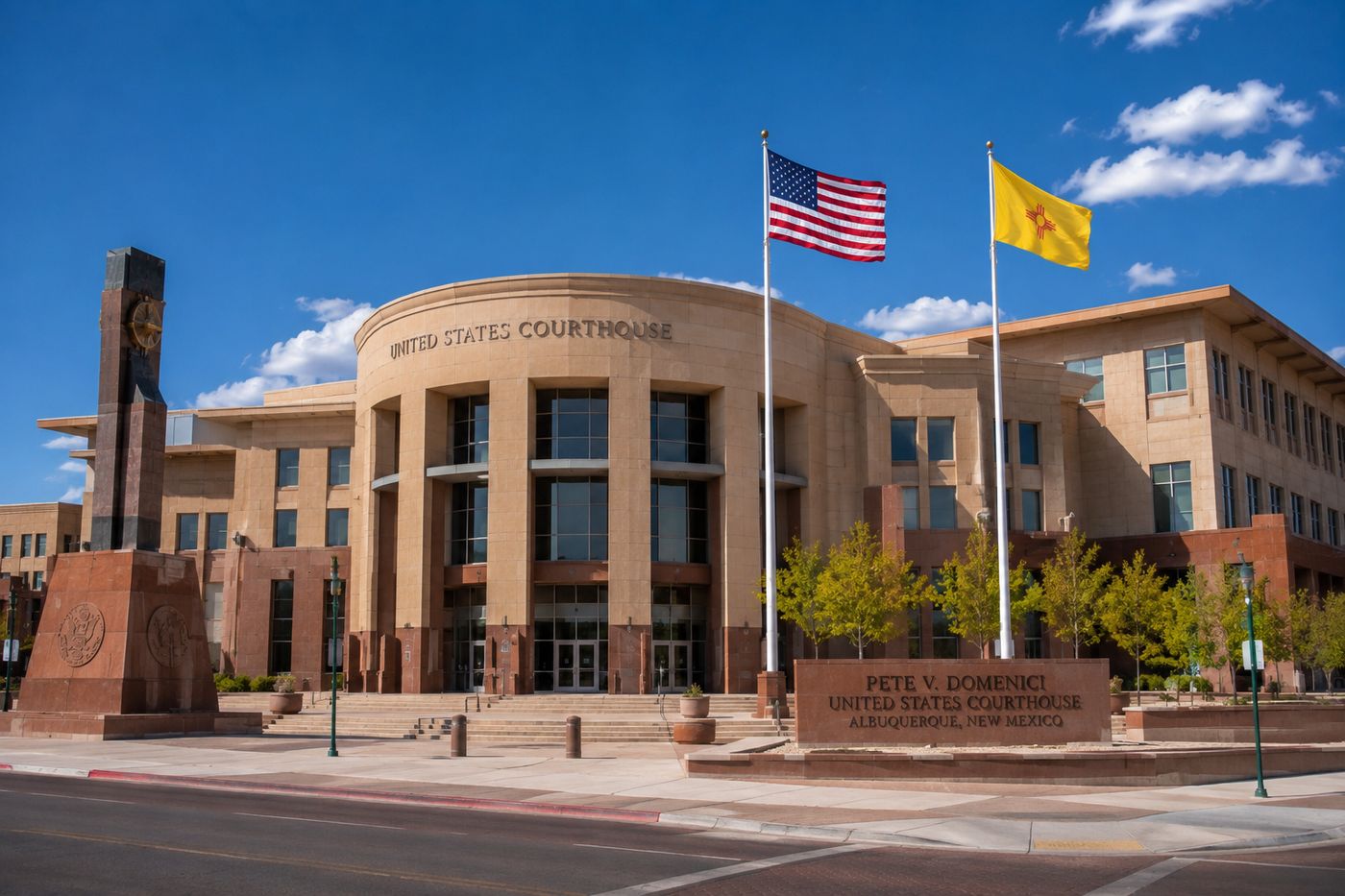
A New Mexico judge has ordered Meta to pay $567 million into a children's mental health remediation fund — the second major financial penalty against the company in five months and part of a total liability in New Mexico alone that now stands at $942 million — as courts across the country begin delivering the most consequential accountability rulings in the history of social media regulation.
Judge Bryan Biedscheid issued the ruling Thursday, finding that Meta's platforms constitute a public nuisance and are a significant contributing cause of New Mexico's youth mental health crisis. The $567 million abatement order breaks down as follows: $420 million for youth treatment services over five years, $90 million for screening and mental health assessment programs, $33 million for awareness and prevention, and $15 million for referrals and care coordination. The new order comes on top of a $375 million civil penalty a New Mexico jury imposed in March after determining that Meta knowingly harmed children's mental health, concealed internal research about child sexual exploitation on its platforms, and engaged in what jurors called "unconscionable" trade practices targeting the vulnerabilities of minors. Meta says it will appeal both the March verdict and Thursday's order. The company's stock fell less than half a percent in after-hours trading.
"Today's decision is a victory for every parent who has worried about what social media is doing to their child and every child who deserves to grow up safer online." — New Mexico Attorney General Raúl Torrez
The $942 million total is a small fraction of Meta's $60 billion annual profit — a fact that both illustrates how large the company has become and raises the question of whether financial penalties at this scale are sufficient to change behavior in a corporation of Meta's size. The ruling is the first of many dominoes expected to fall. Meta faces a federal multi-district trial in Oakland, California later this month, where the first four of 29 state attorneys general will present their cases. A second federal trial involving six additional bellwether districts, including Tucson and Charleston County, is scheduled for February 2027. Several dozen additional state lawsuits and thousands of individual family claims remain in various stages of litigation nationwide.
What New Mexico's proceedings have established at trial level is that Meta knew its platforms were harming children, knew the specific mechanisms by which they caused that harm, concealed that knowledge from the public and from regulators, and continued building and promoting those features anyway because they drove engagement. Those are not allegations — they are findings that a jury and now a judge have confirmed after reviewing hundreds of internal Meta documents and the testimony of company whistleblowers. The scale of what is coming in federal court may dwarf even the New Mexico figures.
Meta has repeatedly stated that it shares attorneys general's commitment to teen safety online and has introduced more than 30 tools to support teens and families since 2023 — including teen account defaults, time limit reminders, and restricted messaging features. Critics argue those changes are insufficient and came only after litigation pressure mounted. The company maintains that the New Mexico proceedings misapply state law and that the science linking social media use to mental health harm is more ambiguous than plaintiffs assert.
Meta built an empire by designing products to be as addictive as possible and then pointed at teen mental health initiatives it launched under legal pressure as evidence of good corporate citizenship. The New Mexico proceedings have put that timeline in its proper order: harm first, accountability later, reform only under compulsion. Nearly a billion dollars in liability in a single state is a number that should concentrate minds in Silicon Valley. The question is whether it will — or whether the legal costs will simply be absorbed as a cost of doing business while the platforms continue operating as designed.