
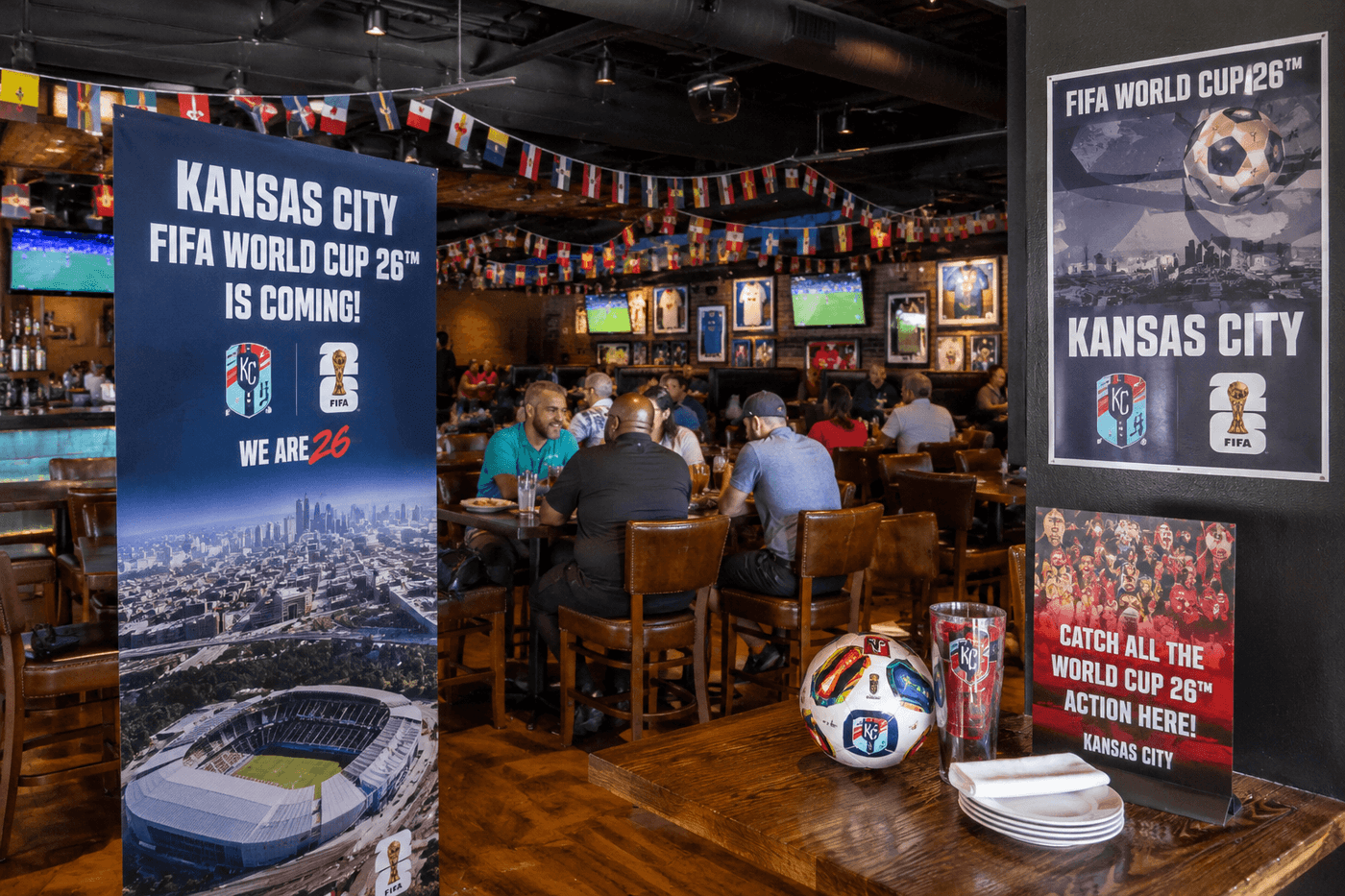
Missouri restaurant officials are proposing automatic tipping as Europeans prepare to visit Kansas City for the World Cup, with the Missouri Restaurant Association urging establishments to add automatic twenty percent gratuities ensuring workers get paid despite international tourists' different cultural expectations around service.
With Kansas City set to host six matches during the tournament, industry officials expect local restaurants and bars to generate between sixty and ninety million dollars. Mike Burris, executive director of the Missouri Restaurant Association, told the Kansas City Beacon that many international tourists will arrive with different cultural expectations around tipping and service.
"Of all the countries coming here, some of them will know about tipping, and some of them don't know anything about it. If I was a server, I wouldn't be too happy if I took care of somebody for 90 minutes, and they didn't tip just because they didn't know any better."
To combat this, the MRA is advising Kansas City restaurants to add an automatic twenty percent gratuity to bills during the tournament. Like most states, Missouri allows restaurants to pay tipped workers below minimum wage according to David Henkes, senior principal at Technomic, a food industry research firm. The system depends on tips supplementing base wages to reach acceptable income levels.
Although the policy is expected to be temporary, Henkes warned it could still spark backlash from diners already feeling squeezed. Restaurant and menu prices have escalated rapidly, much more than the broader inflation rate, creating an affordability crisis facing restaurants. Adding mandatory twenty percent gratuities on top of already elevated prices could drive customers away or generate resentment even from Americans understanding tipping culture.
American tipping culture differs dramatically from European practices where service charges are typically included in menu prices and additional tipping remains optional. European tourists often fail to tip American servers adequately not from rudeness but from genuine unfamiliarity with expectations that waitstaff depend on gratuities for livable wages rather than receiving full compensation from employers.
The automatic gratuity proposal highlights fundamental problems with American restaurant compensation systems that rely on customers subsidizing worker wages through tips rather than employers paying sustainable base salaries. While protecting servers from international tourists who don't understand tipping culture makes practical sense, the broader issue involves whether the tipping system itself serves anyone well beyond restaurant owners who shift wage obligations onto customers. Kansas City's World Cup experience may prove whether automatic gratuities represent sensible temporary accommodation or reveal that American dining would benefit from European-style service charges built into prices transparently.