

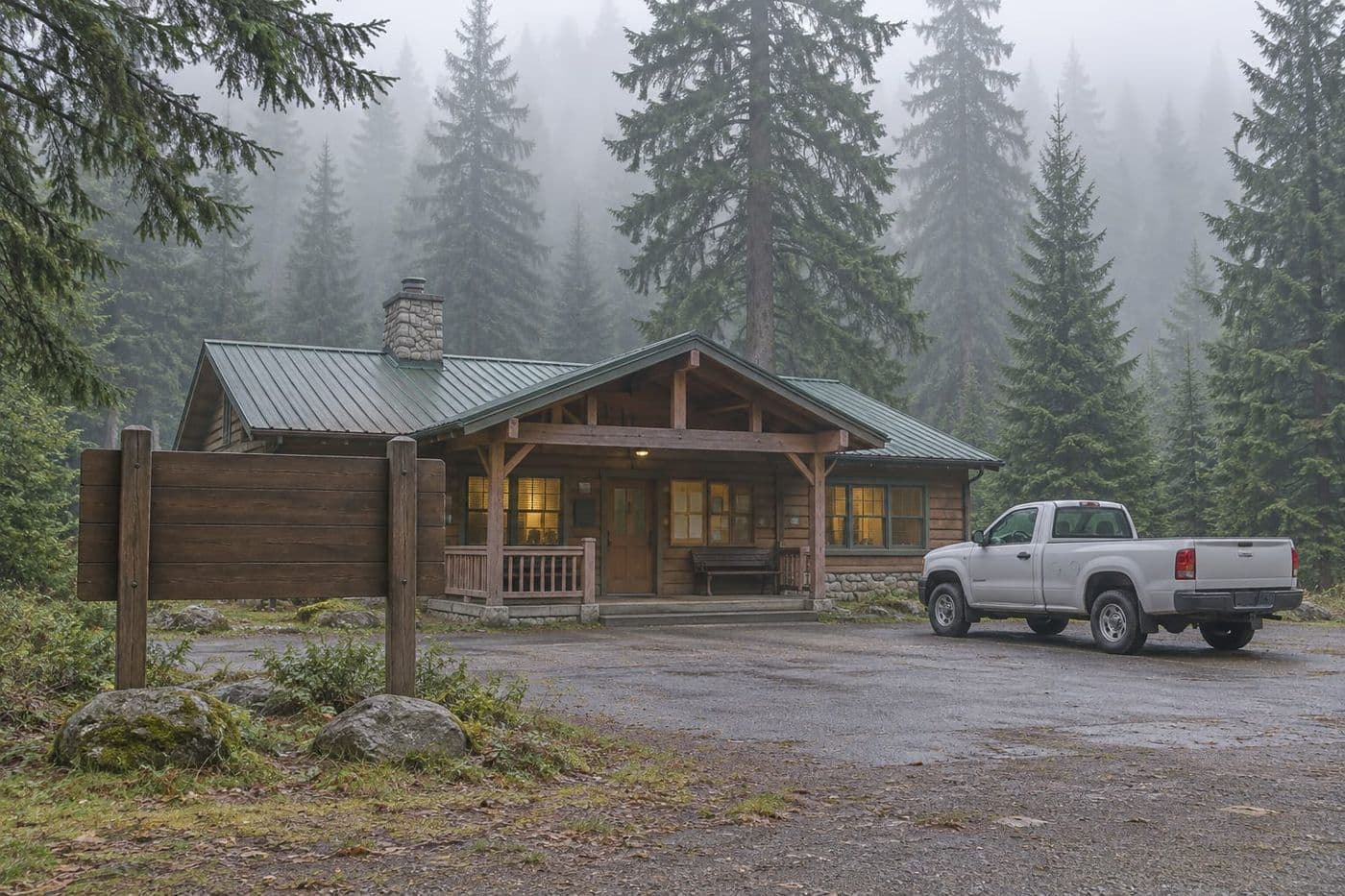
The U.S. Forest Service has released its files on Bigfoot to the public, opening a folder of government records on one of America’s most durable legends — and handing taxpayers a small but telling lesson in what federal agencies keep, and what they owe the people who fund them.
The release puts the Forest Service’s Bigfoot-related files in public view, and the story has drawn wide attention precisely because it pairs a federal agency with a creature many Americans have joked about for generations. The Forest Service manages national forests and grasslands across the country, and those lands are the very backdrop for most Bigfoot lore: remote timber, deep wilderness, and long stretches where few people ever walk. It is no surprise that an agency responsible for that ground would accumulate paperwork on the subject, whether in the form of correspondence, public inquiries, or records of how staff handled questions from the curious. The release matters less for what it proves about any creature and more for what it shows about the paper trail a federal agency creates. Every letter answered, every file opened, and every question routed to a desk is a record kept at public expense. When those records are made available, citizens can see for themselves how their government spends its time and how it speaks to the public. A release of this kind is a reminder that government files belong, in principle, to the people who pay for them.
The U.S. Forest Service has released its Bigfoot files to the public, putting a long-running American legend into the federal record for anyone to read.
Bigfoot has been a fixture of American folklore for decades, and the Pacific Northwest and other heavily forested regions have long been the center of the legend. Because so much of that terrain is federally managed, agencies like the Forest Service have often been the place curious citizens write, call, and ask questions. That is the broader pattern here. Federal agencies receive public inquiries on every imaginable subject, and the way they respond becomes part of the permanent record. Open-records laws exist so that citizens can examine that record, and the Freedom of Information Act, passed in 1966, remains the best-known tool for doing it. Releases of this sort tend to draw attention because they are light-hearted on the surface. Yet the same machinery that surfaces a Bigfoot folder is the machinery that surfaces records about budgets, land decisions, and enforcement. A public that gets used to asking what its government holds is a public better equipped to ask harder questions on subjects far more consequential than a forest legend.
There is a fair point on the other side: nobody should demand that federal employees treat a folklore question as a crisis, and a courteous reply to a curious citizen is part of good public service. Nobody is arguing the Forest Service should be scolded for fielding questions about Bigfoot. The conservative case is simpler. Government works for the public, its records are the public’s business, and transparency should not depend on whether a story is entertaining. If an agency can release its Bigfoot files, it can and should be just as forthcoming about how it manages land, spends money, and makes rules that affect property owners, ranchers, loggers, and local communities near federal forests. The amusing release should be treated as a standard, not an exception. Openness is not a favor an agency grants when the topic is harmless. It is the baseline expectation for any institution that spends other people’s money.
A released file is not the same as a confirmed discovery. Opening an agency’s records on Bigfoot shows what the agency collected, received, or said on the topic. It does not establish that the creature exists, and it does not mean the government endorsed the legend. The distinction matters because headlines about secret files can suggest a hidden truth when the reality is usually ordinary bureaucratic paperwork. Read the records for what they are: a window into how a federal land agency handles public curiosity, not a verdict on folklore.
Source:people.com
Think of the junk drawer in any family kitchen: take-out menus, old batteries, a few mystery keys. Open it and you learn how the household actually lives. A federal agency’s file cabinet works the same way. It holds the odd, the routine, and the revealing, and none of it can be judged until somebody opens the drawer. The Forest Service’s Bigfoot release is a lighthearted example of something serious: the public has a right to look. Whether the folder holds legend, logistics, or plain correspondence, the principle is the same. Records paid for by taxpayers should be open to taxpayers. If government can be that open about Bigfoot, it can be open about everything else.