
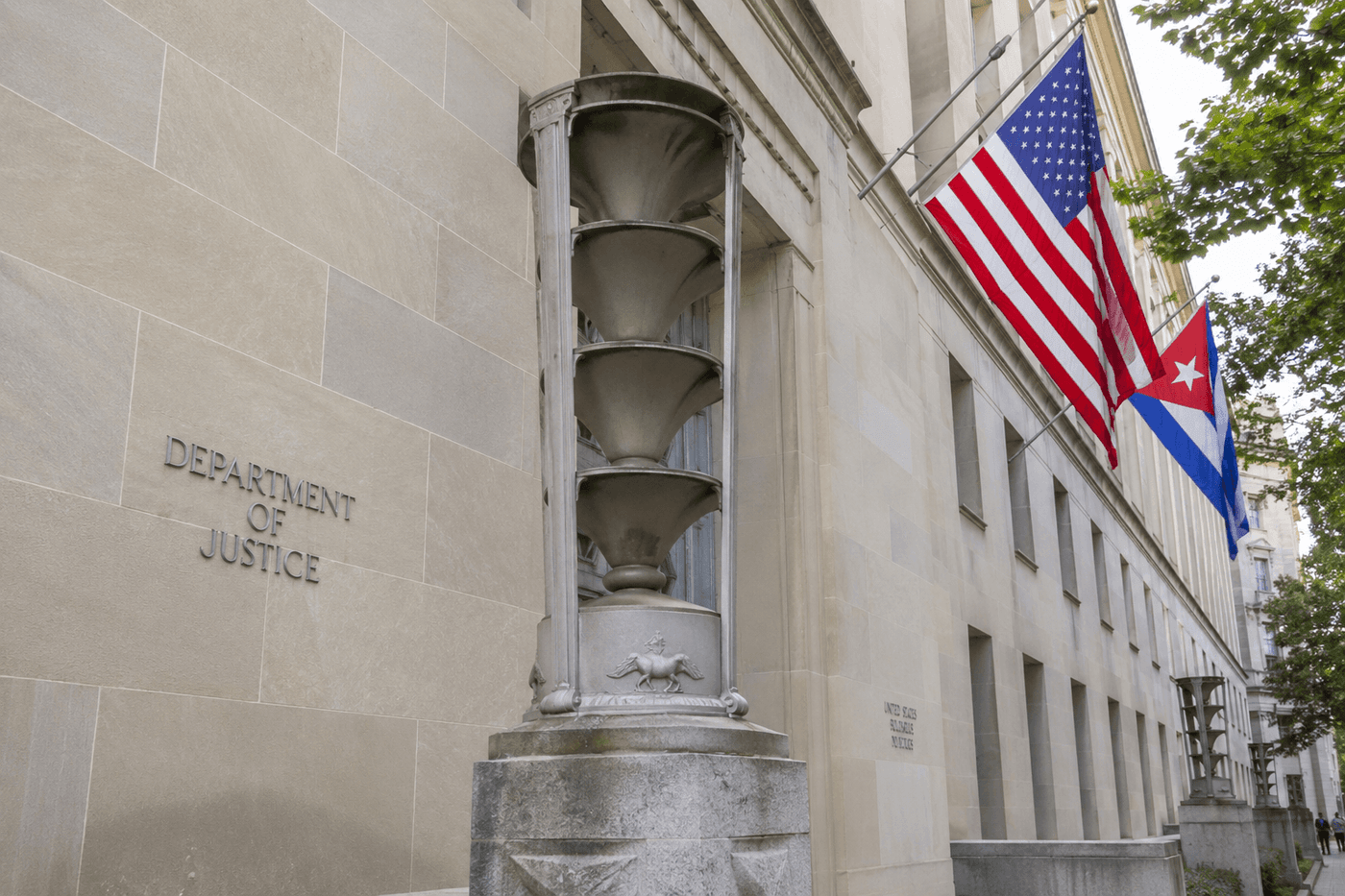
The Justice Department charged former Cuban President Raul Castro with murder Wednesday over his alleged role in shooting down two planes carrying humanitarian aid in 1996, resulting in the deaths of four U.S. nationals in what marks a major escalation of pressure on the island nation's Communist-led government.
The indictment charges the ninety-four-year-old Castro with seven counts including conspiracy to kill U.S. nationals, destruction of aircraft, and murder for each of the four passengers aboard planes being flown by Brothers to the Rescue, a group that conducted rescue missions for Cuban exiles seeking to flee the country. The shootdown occurred in international airspace while the humanitarian organization searched for refugees.
"The murder charges represent long-overdue accountability for the Castro regime's deliberate killing of American civilians conducting humanitarian rescue operations in international airspace—an act of state-sponsored terrorism that went unpunished for nearly three decades."
The charges mark a major escalation in the United States' ongoing pressure campaign to achieve regime change of Cuba's Communist government, though it remains unclear whether Castro will ultimately see the inside of a U.S. courtroom. The 1996 shootdown sparked international outrage as Cuban MiG fighters deliberately targeted unarmed civilian aircraft conducting search and rescue operations for desperate refugees fleeing the island's oppressive regime.
Conservative advocates of holding Cuba accountable have long argued that the Castro regime should face justice for decades of human rights abuses, political persecution, and murders of Cuban citizens and foreigners alike. The shootdown represented particularly brazen aggression—targeting humanitarian workers in international airspace while they searched for refugees—demonstrating the regime's contempt for human life and international law.
Brothers to the Rescue operated search and rescue missions spotting Cuban refugees attempting dangerous ocean crossings to reach freedom in the United States. The organization's humanitarian work directly challenged the Castro regime's narrative while highlighting the desperation driving thousands to risk their lives fleeing Communist oppression rather than remaining under Castro family rule.
The murder charges against Raul Castro represent symbolic justice for the four Americans killed conducting humanitarian rescue operations, though practical enforcement remains uncertain given Castro's advanced age and Cuba's refusal to extradite its former leader. Nevertheless, the indictment documents for history that the United States holds the Castro regime accountable for murdering American civilians in international airspace—an act of terrorism that demonstrates why normalizing relations with Communist Cuba betrays American values and the Cuban people suffering under continuing dictatorship following the Castro brothers' decades of brutal oppression.