
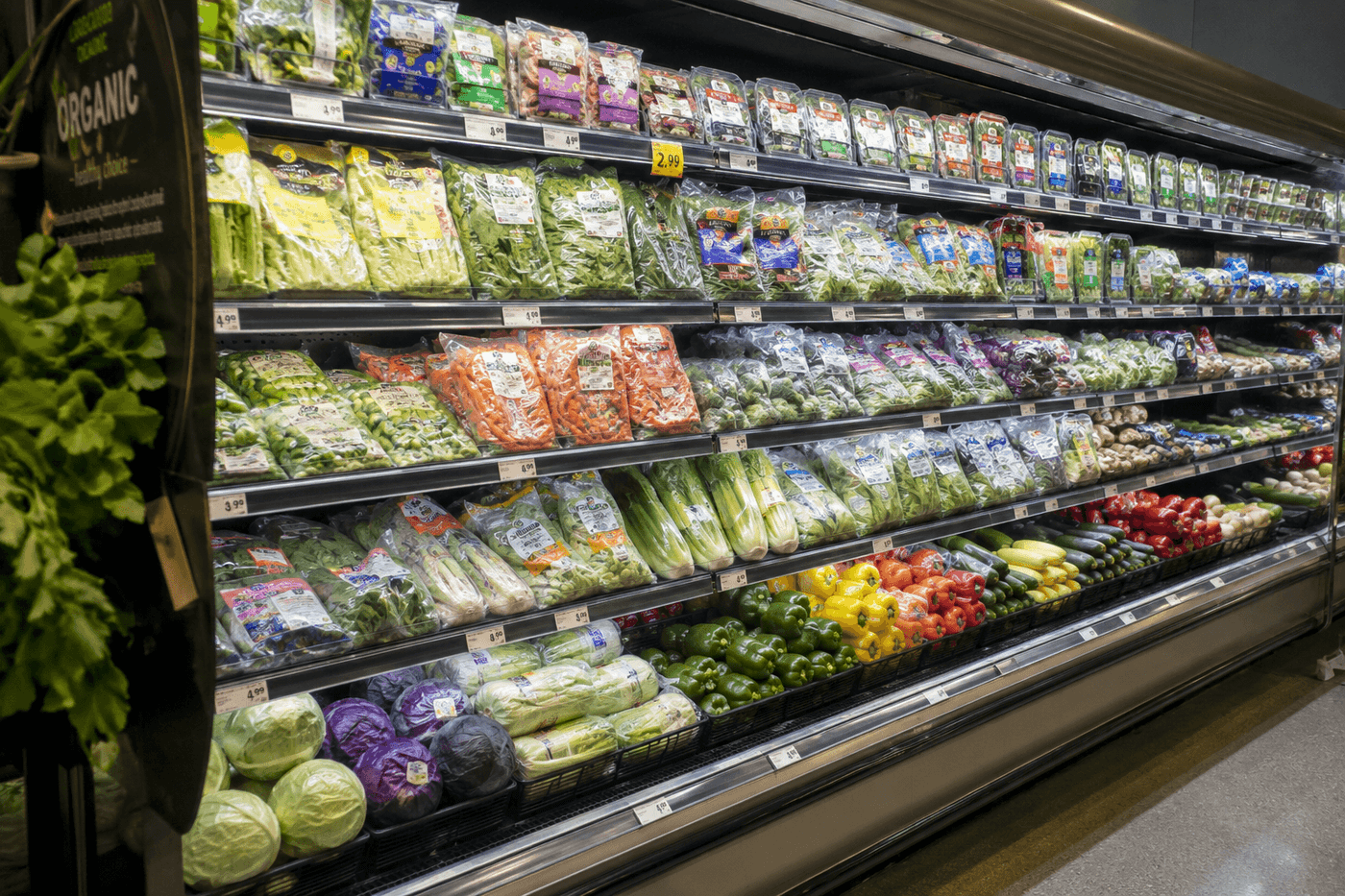
The Trump administration is loosening a federal rule requiring grocery stores and air-conditioning companies to reduce greenhouse gases used in cooling equipment, with EPA head Lee Zeldin saying the Biden-era rule imposes costly restrictions that the new policy will ease, saving businesses billions of dollars felt directly in lower grocery prices.
The new rule will allow businesses to choose the refrigeration systems that work best for them, Zeldin said in a statement released before a White House event Thursday where President Trump is scheduled to announce the changes. Executives from Kroger, Piggly Wiggly, and other grocery chains are expected to join him as the Republican administration tries to address affordability issues with voter concerns over cost of living spiking before pivotal November elections.
"This will allow businesses to choose the refrigeration systems that work best for them, saving them billions of dollars. This will be felt directly by American families in lower grocery prices through reduced operating costs passed on to consumers."
It remains unclear how much or how quickly the loosening of the refrigerant rule might ease grocery prices. Conservative supporters argue that reducing regulatory burdens on businesses creates cost savings that flow through to consumers, while critics contend that companies may pocket savings rather than lowering prices and that relaxing environmental restrictions carries long-term climate costs outweighing short-term economic benefits.
The regulatory rollback exemplifies the Trump administration's approach prioritizing immediate economic relief over environmental regulations that impose costs on businesses without clear consumer benefits. Grocery retailers face substantial refrigeration expenses, and allowing them to use less expensive cooling systems theoretically reduces overhead that contributes to elevated food prices straining household budgets amid persistent inflation.
The Biden-era rule targeted greenhouse gas emissions from refrigeration systems as part of broader climate change mitigation efforts. However, the restrictions required businesses to adopt more expensive technologies that conservatives argue impose disproportionate costs on consumers already struggling with elevated grocery prices following years of inflation under previous administration policies.
The refrigerant rule rollback demonstrates the administration's focus on addressing voter concerns about affordability through regulatory relief rather than government spending. Whether the policy actually delivers meaningful grocery price reductions remains uncertain, but the approach reflects conservative principles favoring reduced regulatory burdens over environmental mandates imposing costs without clear benefits. American families deserve relief from high food prices, and if eliminating unnecessary restrictions achieves savings that businesses pass to consumers, the policy serves legitimate purposes despite progressive criticism about environmental impacts.