
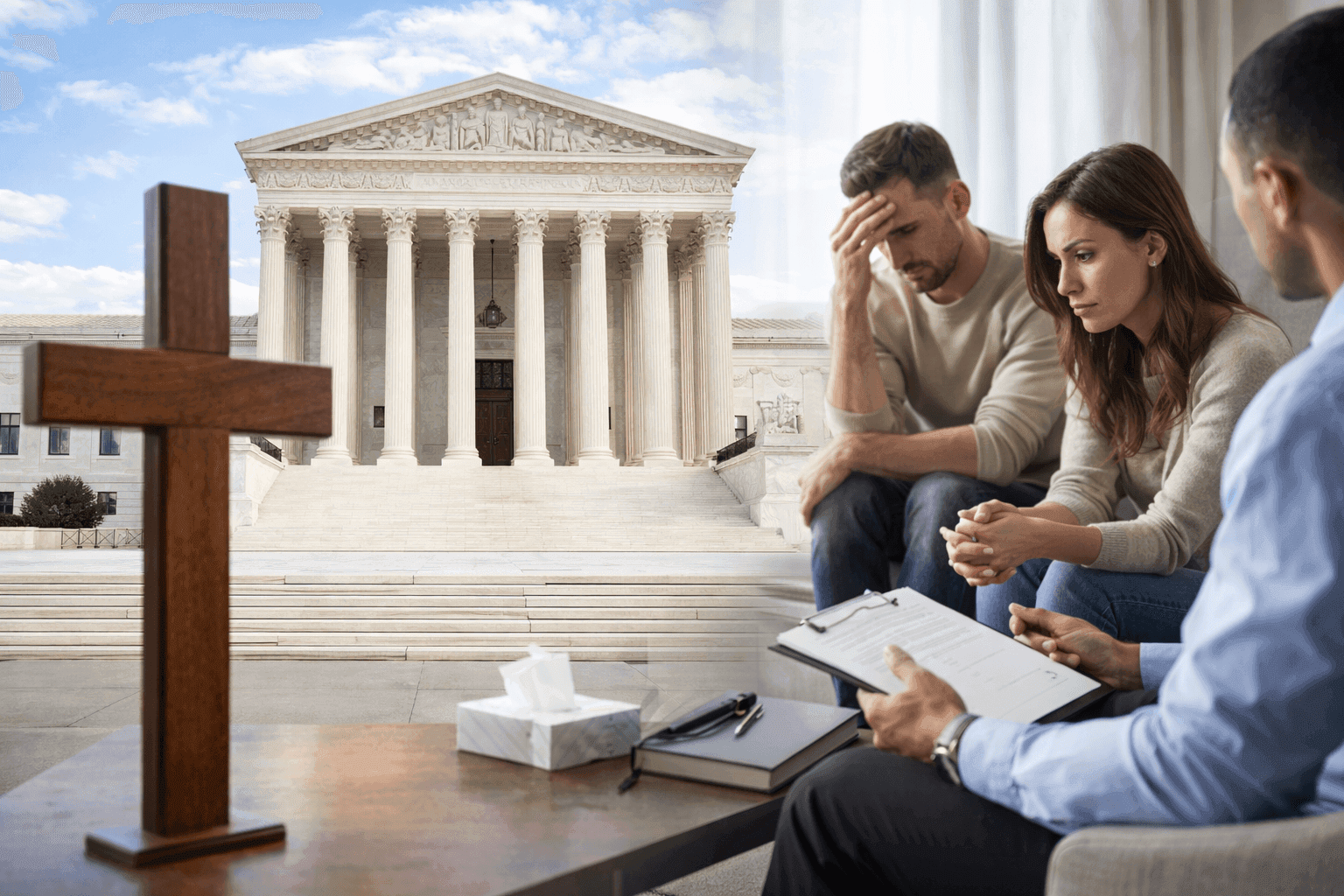
The Supreme Court sided with a Christian counselor Tuesday in her free speech challenge to Colorado's prohibition on therapy attempting to change minors' sexual orientation or gender identity, potentially affecting similar measures enacted in more than twenty states nationwide.
Justice Neil Gorsuch, writing for the 8-1 majority, determined that lower courts applied insufficiently rigorous standards when upholding the ban. However, two liberal justices—Elena Kagan and Sonia Sotomayor—signaled that states could still prevail with more carefully tailored legislation addressing legitimate concerns without violating First Amendment protections for counselor speech.
"Government cannot prohibit private conversations between counselors and willing clients based solely on ideological disapproval of viewpoints expressed. First Amendment protections extend to unpopular speech, including therapeutic perspectives that activists find objectionable."
Conservative advocates celebrated the decision as affirming that states cannot ban counseling based on content and viewpoint discrimination. So-called conversion therapy bans prevent counselors from helping minors who voluntarily seek assistance reconciling religious beliefs with unwanted sexual attractions or gender confusion. These laws essentially prohibit one side of conversations while permitting counselors to affirm and encourage identity transitions—content-based restrictions that clearly violate free speech principles.
The ruling doesn't endorse specific therapeutic approaches or settle scientific debates about effectiveness. Instead, it recognizes that government cannot dictate which viewpoints licensed professionals may express to willing clients during private counseling sessions. Parents and minors seeking counseling aligned with religious values deserve access to providers sharing their perspectives without state interference prohibiting disfavored conversations while permitting ideologically approved alternatives.
More than twenty states have enacted various restrictions on counseling addressing sexual orientation or gender identity for minors. These laws typically prohibit therapy seeking to change such characteristics while permitting and often encouraging affirmative approaches that support identity transitions—content discrimination that the Supreme Court found constitutionally problematic.
The Supreme Court's decision protects fundamental free speech rights without preventing states from regulating harmful practices through properly tailored legislation. Government may prohibit genuinely coercive or abusive therapeutic techniques regardless of content, but cannot simply ban viewpoints that progressive activists dislike. Families seeking counseling consistent with their values deserve constitutional protection from ideological censorship disguised as consumer protection—a principle the Court properly affirmed through this important First Amendment ruling.