
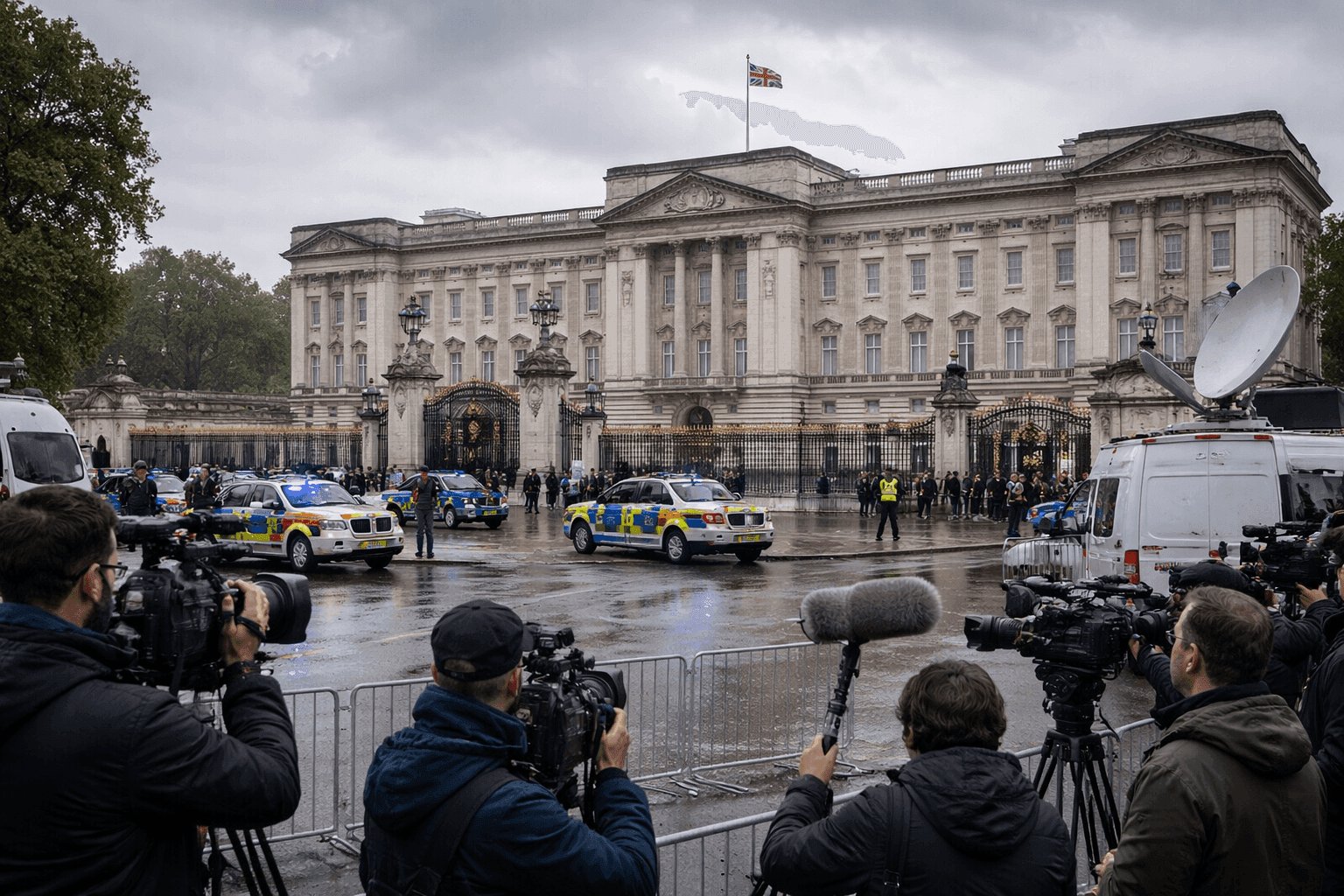
Andrew Mountbatten-Windsor, the former Duke of York, was arrested on February 19th on suspicion of misconduct in public office, marking the first arrest of a British royal in four centuries and sending shockwaves through the monarchy as King Charles scrambles to contain the damage.
The arrest follows police review of claims that Andrew shared sensitive government information with convicted sex offender Jeffrey Epstein during his tenure as special trade envoy, a position that granted him access to classified materials and high-level diplomatic contacts. King Charles III released a terse statement through Buckingham Palace acknowledging the arrest while maintaining careful distance from his disgraced younger brother.
Andrew's fall from grace has unfolded gradually over years as his connections to Epstein faced mounting scrutiny. He previously settled a civil lawsuit with Virginia Giuffre who alleged sexual abuse facilitated by Epstein's trafficking network, though the settlement included no admission of wrongdoing. The Queen stripped him of military titles and royal patronages before her death, effectively removing him from public life even before criminal charges materialized.
"Police previously said they were reviewing claims that Andrew shared sensitive information with convicted sex offender Jeffrey Epstein while serving as special trade envoy for the United Kingdom."
The misconduct charges carry devastating implications beyond Andrew's personal fate. The monarchy depends on maintaining public perception of dignified service to the nation, yet Andrew's alleged betrayal involves compromising state secrets for a convicted pedophile who operated an elite sexual exploitation network. Conservative supporters of the institution recognize this threatens the Crown's legitimacy in ways that overshadow previous royal scandals.
The last British royal arrested was King Charles I in 1642 during the English Civil War, an event that ultimately led to his execution and temporary abolition of the monarchy. While Andrew's situation differs dramatically in scope and consequence, the historical parallel underscores how unprecedented this arrest represents for the modern royal family.
King Charles faces impossible choices as he attempts to protect the institution while his brother stands accused of betraying it. The monarchy survives through public consent that depends on maintaining standards above ordinary politics and scandal. Andrew's arrest on charges involving national security breaches and connections to a sex trafficking operation strikes at the heart of what makes the royal family acceptable to modern Britain. Whether Charles can successfully distance the Crown from his brother's alleged crimes while preserving some semblance of family loyalty will define his early reign and potentially determine whether the monarchy survives in its current form.